
How to Start Planning a Micro Wedding Before You Know Your Final Guest Count
PLANNING YOUR DC OR CHICAGO MICRO WEDDING WITH TINY WED CO
One of the most common reasons couples postpone asking for help is that they don’t know exactly how many people they’re inviting. They know they want something small but what that means, they’re still trying to figure out: 12 people? Twenty-five? Forty-eight? Just immediate family? Immediate family plus the friends who feel like family? A ceremony for ten followed by dinner for 50?
The good news: you don’t need a final number before you begin planning.
A realistic range is enough to start a useful conversation.
BEGIN WITH A RANGE, NOT A PERFECT NUMBER
Instead of forcing yourselves to decide whether the guest count is exactly 28, start with a range.
For example:
Just the two of us
Fewer than 10
10–20
20–35
35–50
A range gives us enough information to begin discussing venue types, ceremony formats, catering approaches, timelines, and the overall scale of the day.
It also gives you room to work through the emotional part of the guest list without pretending every decision has already been made.
“Probably 20 to 30 people” is useful planning information.
Identify the people who define the experience
Before making one enormous list, begin with the people without whom the wedding would not feel complete.
Ask yourselves:
Who do we immediately picture during the ceremony?
Who has actively supported our relationship?
Who do we want to sit next to at dinner?
Who would we genuinely miss - not merely feel guilty about excluding?
Which relationships are part of our current life?
This isn’t always an easy exercise. Family expectations and friendship dynamics can be complicated. But it is more helpful than beginning with everyone you might theoretically invite and trying to cut the list from 150. Build from the center outward.
Your guest count doesN’t have to remain the same all day
You might choose a private ceremony with just the two of you followed by a dinner with your immediate family. Or maybe an immediate family only ceremony followed by a much larger celebration with family and friends. Some of our couples even chose to host a separate gathering at a later date after their legal ceremony.
Here’s a real life example:
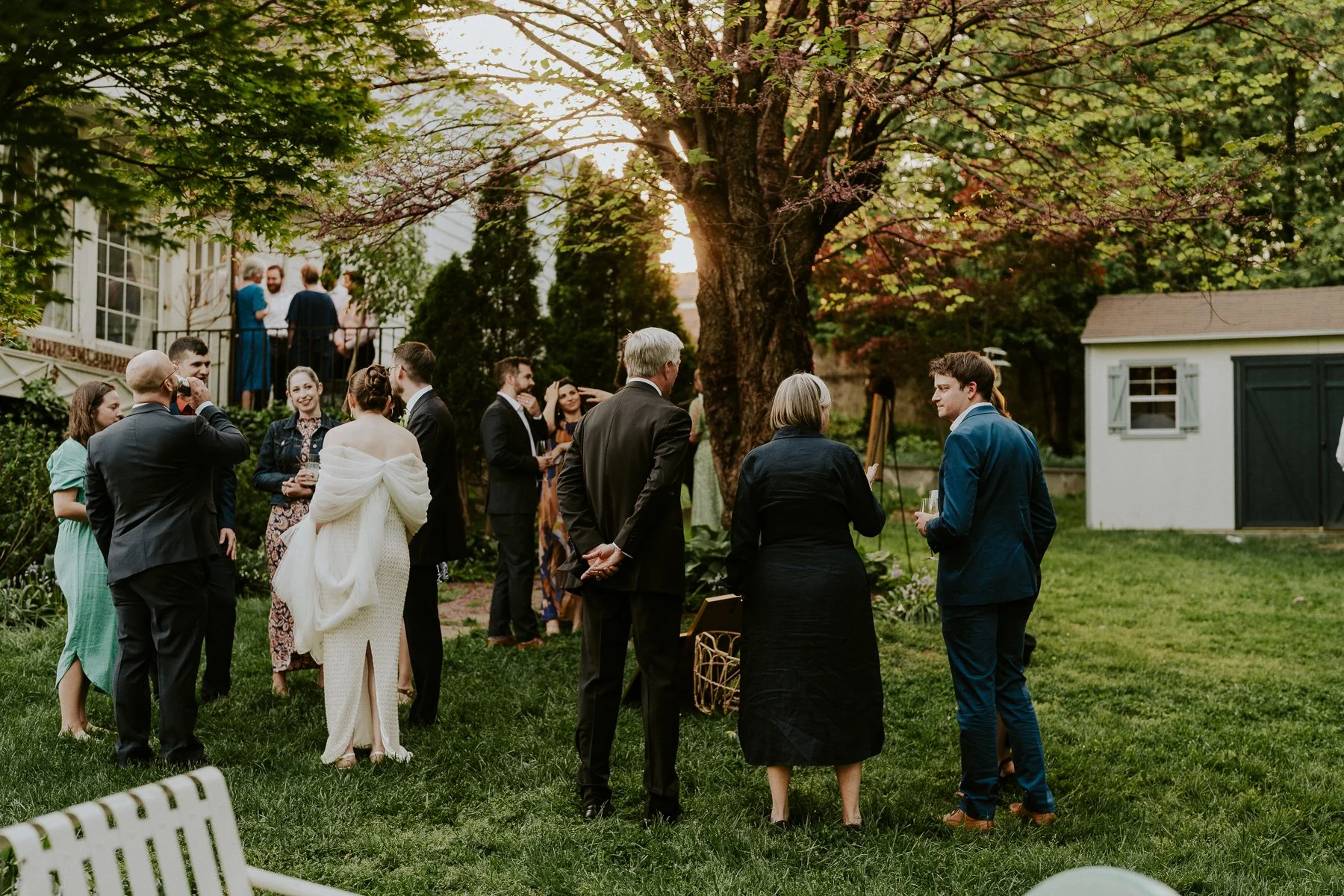
This Washington, DC couple held their ceremony at Tudor Place with only parents and siblings present. Afterwards, they celebrated over dinner at 1789 with approximately 40 loved ones. The different guest counts allowed the ceremony to remain deeply private while the couple still shared the evening with a broader circle.
There is no one rule that says every invited person must attend every moment.
Think about the experience before the seating chart
Instead of asking only, “How many people should we invite?” ask:
How do we want the ceremony to feel?
Do we want privacy or a lively group around us?
Do we imagine one long dinner table?
Do we want cocktails, a seated dinner, dancing, or an after-party?
How much time do we want to spend with each guest?
Are there people we would prefer to celebrate with in another way?
Your answers may reveal the right guest-count range more clearly than a list of names will.
For example, if your ideal evening is one intimate dinner table where everyone can participate in the same conversation, your preferred guest count may be lower than you initially thought.
If you want a ceremony followed by cocktails, dinner, and dancing, you may feel comfortable closer to the upper end of the micro-wedding range.
Let the venue and budget inform the final number
Guest count influences more than chairs.
It can affect:
The types of spaces available
Food and beverage costs
Rentals
Transportation
Table layout
Ceremony setup
Photography timing
The overall pace of the event
That doesn’t mean you need to solve those costs before speaking with a planner. It means your guest count, venue, budget, and wedding format should develop together instead of being treated as four unrelated decisions. You may begin by thinking you want 45 guests, then fall in love with a private dining space that works beautifully for 32. Or you may discover that a weekday celebration creates enough room in the budget to invite the additional people who matter. The plan is allowed to evolve.
Try a three-part guest list
When you’re ready to work with names, divide the list into three categories:
Must be present
The people without whom the day would not feel complete.
We would love to include
People who are meaningful to you and whom you hope the space and budget can accommodate.
We are considering out of obligation
People whose inclusion is primarily driven by expectation, guilt, or the fear of an awkward conversation.
What can you plan before the list is final?
Before confirming the exact number, you can begin discussing:
Preferred month or season
Weekday or weekend flexibility
Approximate guest-count range
Ceremony priorities
Overall budget comfort
Desired atmosphere
Whether you want a curated vendor team (us!)
Whether you would rather choose and hire vendors yourself (also us but different package!)
Venue categories
Photography priorities
Ceremony traditions
The general flow of the day
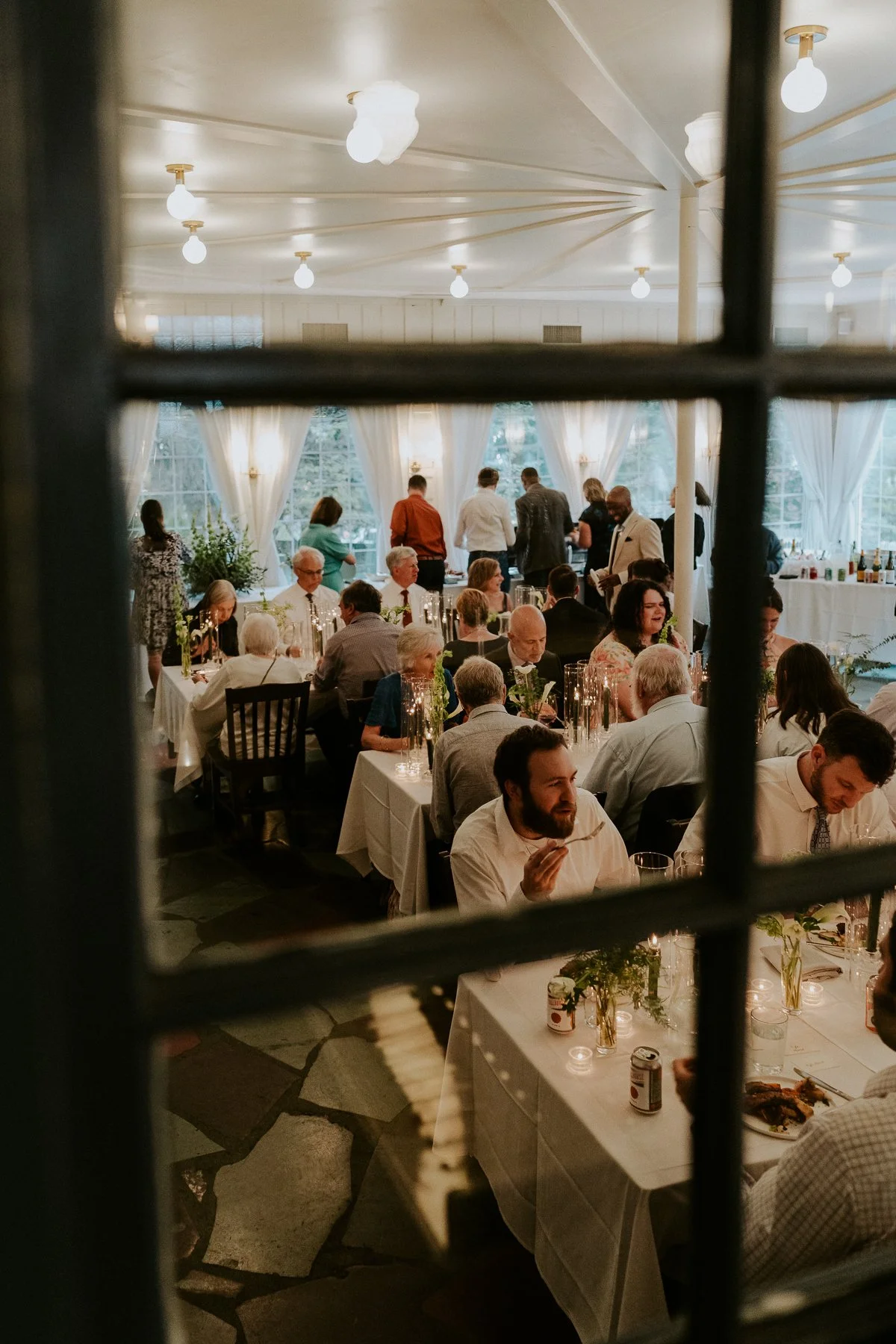
What should you put on the inquiry form?
Tell us what you know. A completely useful inquiry might say:
Washington, DC. October 2027. We’re considering 20 to 35 guests. We don’t have a venue, and we’re deciding between the all-inclusive and partial-planning/day of coordination package.
That gives us plenty to discuss. Only your name, email, planning city, and package interest are mandatory on our inquiry form. You can select both packages if you are unsure. The other questions are there to help us understand your current thinking - not to test whether you have planned enough to deserve help.
The guest list can still be becoming a guest list
You’re allowed to ask for support while the wedding is still an idea.
You don’t need an exact date or a venue picked out yet.
Start with a range. Start with the people at the center. Start with how you want the day to feel.
We can help you build from there.